


Sep 9, 2025 – Sep 9, 2026
Artdaily.com Vent Magazine 雅昌艺术网 搜狐娱乐
This online exhibition presents five recent paintings by XuanWen Zhang, highlighting her bold use of pigment, vigorous brushwork, and spiritual vision. Inspired by grottoes, temples, and sacred traditions, the works balance cultural heritage with contemporary expression, offering viewers both monumental presence and intimate resonance.
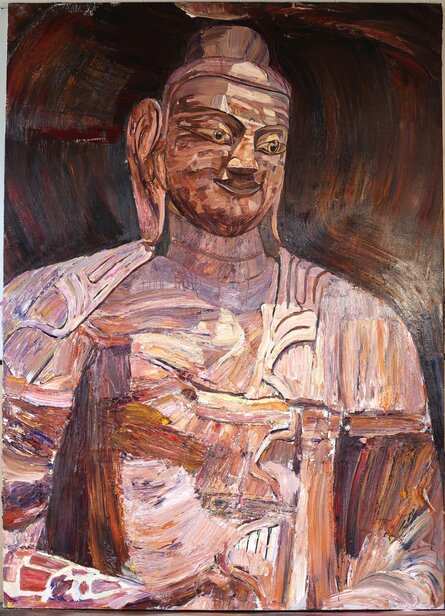
The Countenance of the Profound Mirror (玄鉴之容), 2024
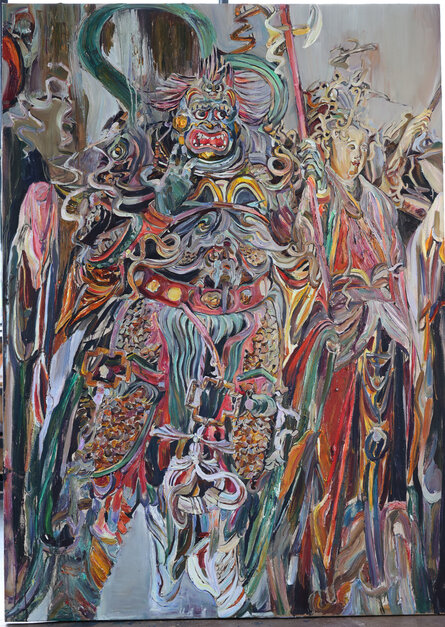
Guardian General Sanzhi (散脂大将), 2024
Zhang’s works balance historical depth with contemporary innovation, inviting viewers into a dialogue with millennia-old traditions reimagined through global contemporary art.
XuanWen Zhang is an emerging contemporary artist whose dynamic visual language bridges Eastern traditions with Western expression. Her paintings are distinguished by bold colors, vigorous brushwork, and a profound sense of cultural and spiritual resonance, making her one of the most distinctive voices among her generation. Her Chinese Grottoes Series (2013–2014) marked the beginning of this exploration. Among them, Vajra Thunderbolt gained wide recognition in the Chinese art field, while works such as Silent Majesty further consolidated her expressive style, combining the fluidity of calligraphy with explosive painterly power. In 2024, Zhang returned to Shanxi for field research, drawing inspiration from ancient grottoes and religious sculptures. This experience led to new works such as Yungang Grottoes, Guardian General Sanzhi, and Skanda Bodhisattva. These paintings extend her hallmark visual language while delving deeper into the iconography and spiritual essence of Eastern religious imagery, imbuing her canvases with a sense of historical weight.
Zhang’s practice is also distinguished by her extravagant use of material—at times, a single brushstroke can consume an entire tube of paint. Up close, the pigments reveal an intentional lack of blending, each stroke retaining its independence. This creates a surface alive with tension, at once raw and refined, offering a beauty that feels both certain and elusive.
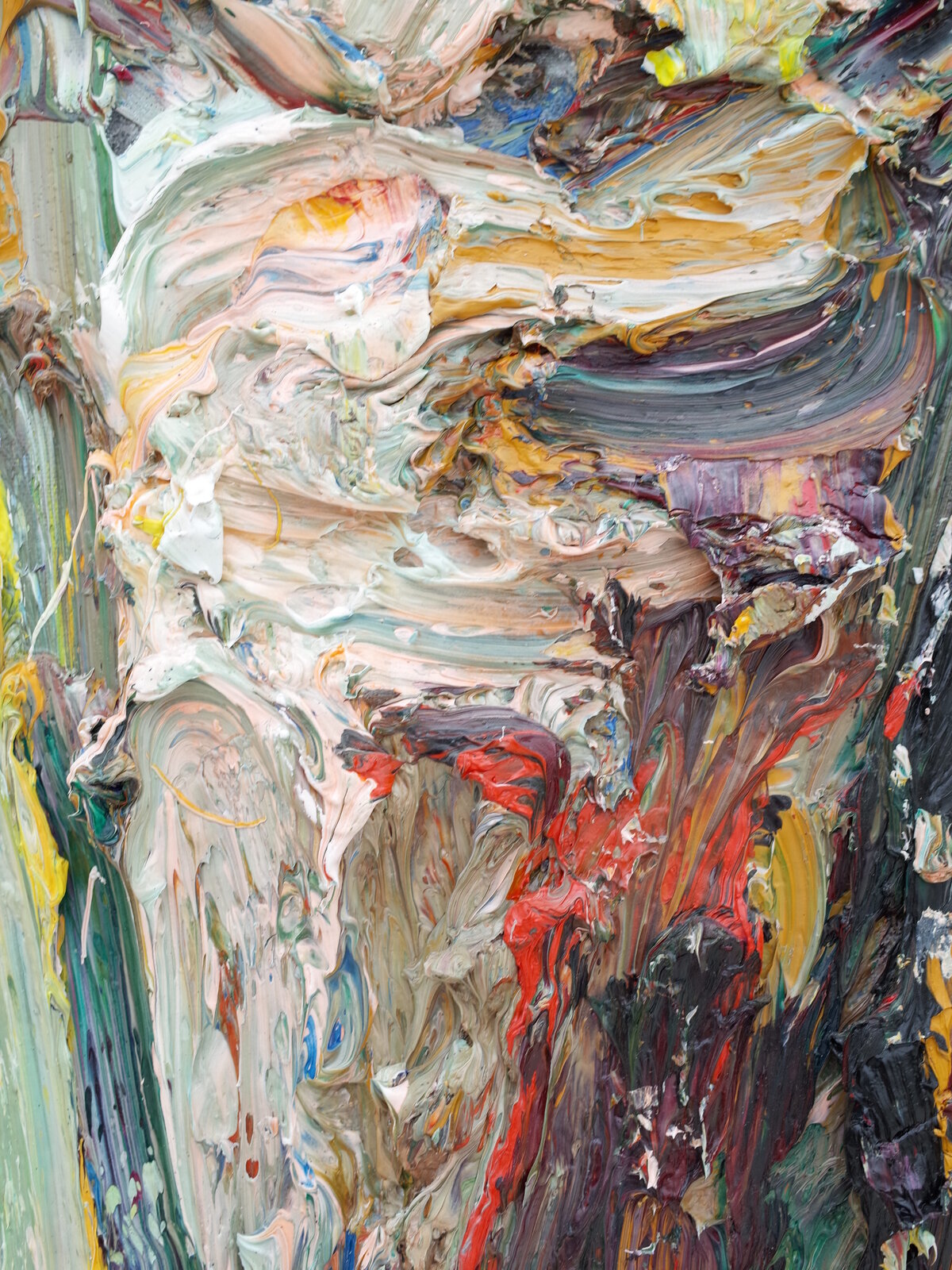
Her work can be understood within the lineage of Impressionism, as many of her canvases are painted on site during her visits to grottoes, temples, and Taoist sanctuaries. Yet unlike Western plein-air practice, her brushwork is infused with the spirit of Chinese calligraphy and freehand ink painting (大写意). This unique fusion allows her paintings to capture not only the visual impression of place but also its spiritual resonance.
his cross-cultural dialogue finds a strong echo in art history. Just as Van Gogh drew inspiration from Japanese ukiyo-e—an art form rooted in earlier Chinese painting traditions. Zhang’s work likewise embodies the essence of Chinese painting, reinterpreted through bold contemporary expression. She continues the lineage of East–West artistic exchange while redefining it through a contemporary lens grounded in Chinese tradition and spiritual presence.
Zhang’s paintings balance historical and cultural depth with contemporary innovation. Her canvases radiate a monumental aura, carrying the grandeur of millennia-old traditions while affirming the creative vitality of contemporary art. Whether viewed from afar or examined up close, they command admiration with their majestic presence.
Her works are also often described as possessing a spiritual aura. Some collectors even enshrine her paintings as sacred images, using them in spaces of worship. This rare intertwining of artistry and spirituality highlights both the cultural significance of her practice and the profound resonance it evokes among audiences and collectors alike.
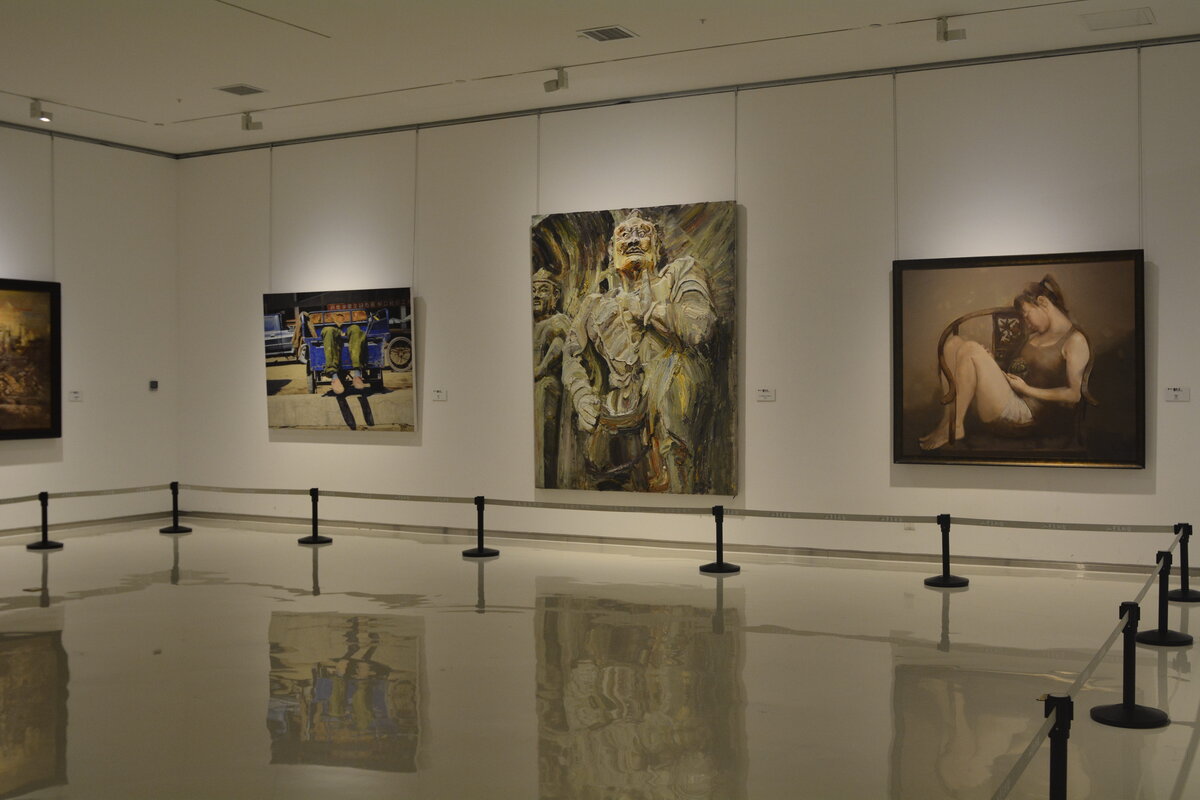
For these reasons, Zhang’s art demonstrates immense promise in both academic and market contexts. Firmly grounded in Chinese cultural heritage yet articulated through a contemporary and globally resonant painterly language, her work intertwines the ancient with the new, the Eastern with the Western, history with the future—positioning her as a truly distinctive figure in today’s art world.
Leave a Reply